


The loss of a single tooth might seem like a minor cosmetic inconvenience, especially if it is located toward the posterior of the oral cavity. However, the physiological reality is far more complex. The moment a tooth is lost, the underlying alveolar bone begins to undergo a process known as resorption. Without the mechanical stimulation provided by the natural tooth root, the jawbone density diminishes, which can eventually lead to the shifting of adjacent teeth, bite misalignment, and even changes in facial structure. Restoring this gap is not merely a matter of aesthetics; it is a critical intervention for long-term oral health and systemic well-being.
Modern dental science has transitioned from traditional removable prosthetics to permanent, biologically integrated solutions. Among these, the single tooth dental implant stands as the pinnacle of restorative innovation. By mimicking the entire structure of a natural tooth—from the root to the crown—this technology offers a level of stability and functionality that was once thought impossible. It allows patients to reclaim their ability to chew, speak, and smile with absolute confidence, providing a seamless transition that looks and feels indistinguishable from natural dentition.
What Is a Single Tooth Dental Implant?
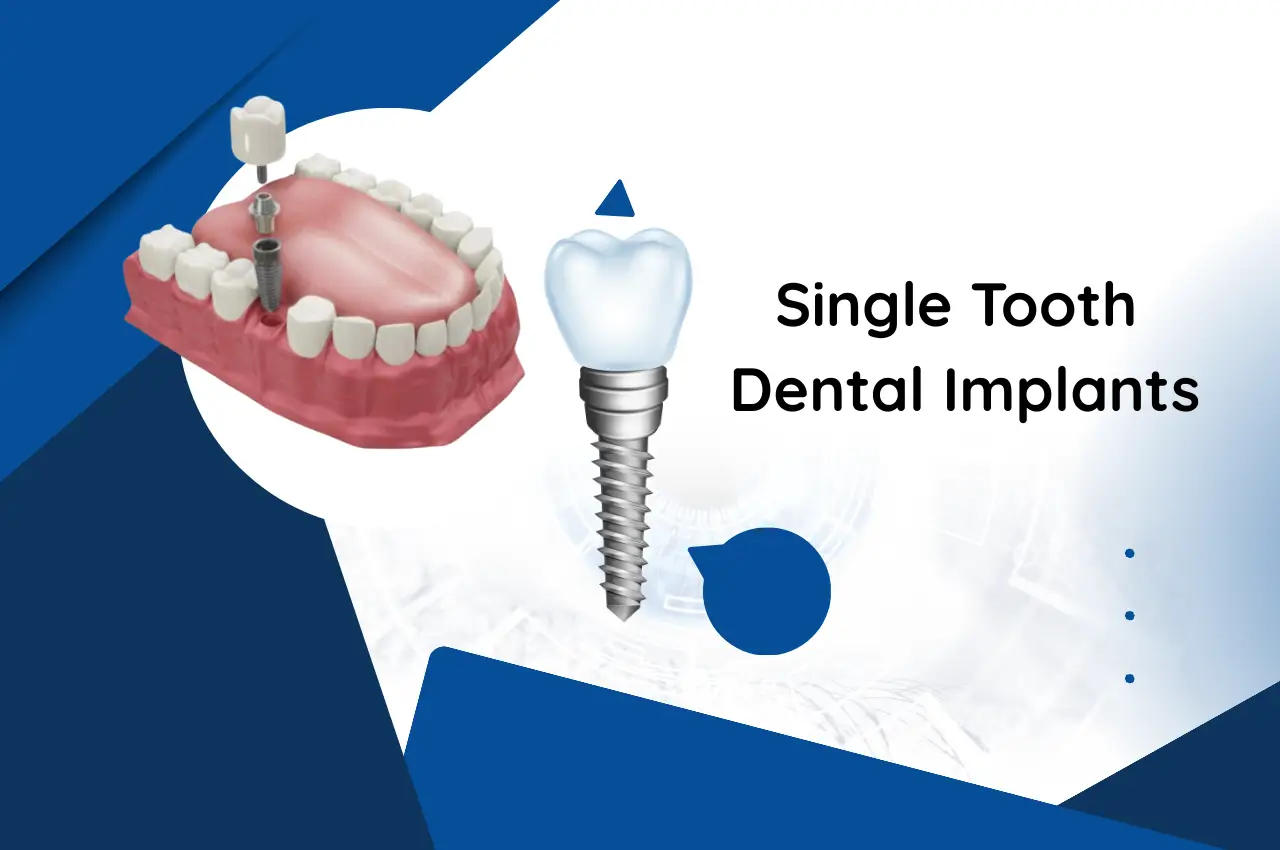
A single tooth dental implant is a sophisticated prosthetic assembly designed to replace a missing tooth in its entirety. Unlike dentures that rest on the gingival tissue or bridges that rely on neighboring teeth for support, an implant is a self-sustaining unit. It consists of three primary components that work in harmony to replicate natural tooth anatomy.
The first component is the Implant Post, typically manufactured from biocompatible titanium or zirconia. This post is surgically inserted into the jawbone, acting as a synthetic root. The second part is the Abutment, a precision-engineered connector that is attached to the post after successful integration. Finally, the Prosthetic Crown is placed atop the abutment. This crown is custom-crafted to match the morphology, shade, and translucency of the patient’s existing teeth, ensuring a perfect aesthetic integration.

Benefits of Choosing a Single Tooth Implant Over Traditional Bridges
For decades, the dental bridge was the primary method for replacing a single missing tooth. However, a bridge requires the irreversible reduction of healthy adjacent teeth to serve as anchors (abutments). This process compromises the structural integrity of otherwise sound teeth and increases their susceptibility to decay and endodontic issues.
In contrast, a single tooth dental implant offers several superior advantages:
- Bone Preservation: Implants are the only restorative option that prevents jawbone loss by providing necessary stimulation to the bone tissue.
- Independence: The procedure does not involve or damage the neighboring teeth, preserving your natural dental anatomy.
- Longevity and Durability: While bridges typically require replacement every 5 to 10 years, a well-maintained dental implant is designed to last a lifetime.
- Enhanced Functionality: Because they are anchored directly into the bone, implants offer superior biting force, allowing patients to enjoy a varied diet without restrictions.
Who Is a Good Candidate for a Single Tooth Dental Implant?
While dental implants have a remarkably high success rate, candidacy depends on several physiological and lifestyle factors. The most critical requirement is adequate bone density. There must be enough volume and quality of bone to support the titanium post. If a patient has significant bone resorption, preliminary procedures like bone grafting or sinus lifts may be necessary.
Furthermore, an ideal candidate should possess:
- Healthy Periodontal Tissues: The gums must be free of periodontal disease to ensure the implant integrates without infection.
- Good Systemic Health: Chronic conditions like uncontrolled diabetes or autoimmune disorders can affect the healing process and osseointegration.
- Commitment to Oral Hygiene: Success depends on the patient’s ability to maintain a rigorous cleaning routine.
- Non-smoking Status: Smoking significantly restricts blood flow to the surgical site, which can impede healing and increase the risk of implant failure.


Dental Implants Single Tooth Cost in Turkey
Turkey has established itself as a global leader in dental tourism, attracting thousands of international patients annually for high-quality restorative treatments. The primary appeal lies in the exceptional value-to-quality ratio. Patients can access world-class dental care, utilizing the same premium global brands found in the US or UK, but at a significantly lower price point.
The cost of a single tooth dental implant in Turkey is generally 50% to 70% lower than in Western Europe or North America. This affordability is driven by lower operational overheads, favorable exchange rates, and a highly competitive medical market, rather than a compromise in quality. Most Turkish clinics provide comprehensive packages that include the surgical procedure, the implant components, and the final prosthetic crown, often including luxury accommodation and VIP transfers.
Factors That Affect the Price of Single Tooth Dental Implants
The final investment required for a dental implant is not a fixed figure; it is influenced by several clinical and material variables:
- Implant Brand: Premium brands such as Straumann or Nobel Biocare, which have decades of clinical research, carry a higher price than local or budget-friendly alternatives.
- Crown Material: The choice between a Porcelain-Fused-to-Metal (PFM) crown and a high-aesthetic Zirconia or E-max crown will impact the cost.
- Surgical Complexity: If the patient requires tooth extraction, bone augmentation, or specialized imaging like 3D Tomography, these will be reflected in the total.
- Specialist Expertise: The experience and reputation of the oral surgeon or prosthodontist performing the procedure play a role in the pricing structure.
How Long Do Single Tooth Implants Last?
One of the most compelling reasons to choose an implant is its permanence. Clinical studies show that with proper care, the titanium post can last 25 years to a lifetime. The prosthetic crown, however, is subject to normal mechanical wear and may need replacement after 15 years, depending on the material used and the patient’s biting habits.
Longevity is primarily determined by Osseointegration, the process where the bone cells grow around the implant surface. Once this bond is established, the implant becomes a permanent part of the anatomy. To ensure this longevity, patients must avoid tobacco, maintain regular professional cleanings, and treat the implant with the same care as a natural tooth.
What to Expect During Your Dental Implant Journey
The implant process is a multi-stage journey that requires patience and precision:
- Consultation & Digital Planning: Utilizing CAD/CAM technology and 3D imaging, the surgeon plans the exact angulation and depth of the implant.
- The Surgical Phase: Under local anesthesia, the implant post is placed into the jawbone. A temporary healing cap may be used.
- The Healing Period: Over 3 to 6 months, osseointegration occurs. This is the most vital phase of the journey.
- Restoration: Once fully integrated, the abutment is attached, and the final custom-made crown is fitted, completing the restoration.
Choosing the Right Dental Clinic in Istanbul for Implant Treatment
Istanbul is not just a bridge between continents; it is a hub of medical excellence. However, selecting a facility that adheres to international sterilization protocols and utilizes the latest technology is paramount. For patients seeking a world-class experience, finding a reputable dental clinic istanbul is the first step toward a successful transformation.
Point Clinic stands as a premier destination for international patients in Istanbul. Specializing in advanced implantology and aesthetic dentistry, Point Clinic combines surgical precision with a personalized approach to patient care. By utilizing state-of-the-art diagnostic tools and premium implant systems, they ensure that every patient receives a treatment plan tailored to their unique anatomical needs. Whether you are visiting for a single restoration or a comprehensive smile makeover, Point Clinic provides a seamless, stress-free environment, ensuring your journey to a perfect smile is as comfortable as it is effective.
