


Modern dental restoration has entered a new era where comfort meets efficiency. Many individuals who once struggled with missing teeth now find solace in advanced prosthetic techniques. The traditional path to tooth replacement often involves invasive surgeries and long recovery times. For those seeking a faster and less complex alternative, mini dental implants provide a revolutionary path toward a complete smile. These small-diameter screws serve as a bridge for patients who lack the bone density required for standard implants, offering a chance to regain oral function with minimal physical strain.
The decision to pursue dental work often depends on a balance of medical necessity and lifestyle needs. Standard implants require significant jawbone volume, which poses a challenge for long-term denture wearers. Mini dental implants solve this dilemma by utilizing a smaller footprint within the jaw. This procedure focuses on immediate stability and reduced healing periods. Patients can walk into a clinic and leave with a much more secure bite on the same day. By simplifying the structural requirements of the implant, dentistry has become more accessible to a wider demographic of aging adults and those with specific health constraints.
What Are Mini Dental Implants?
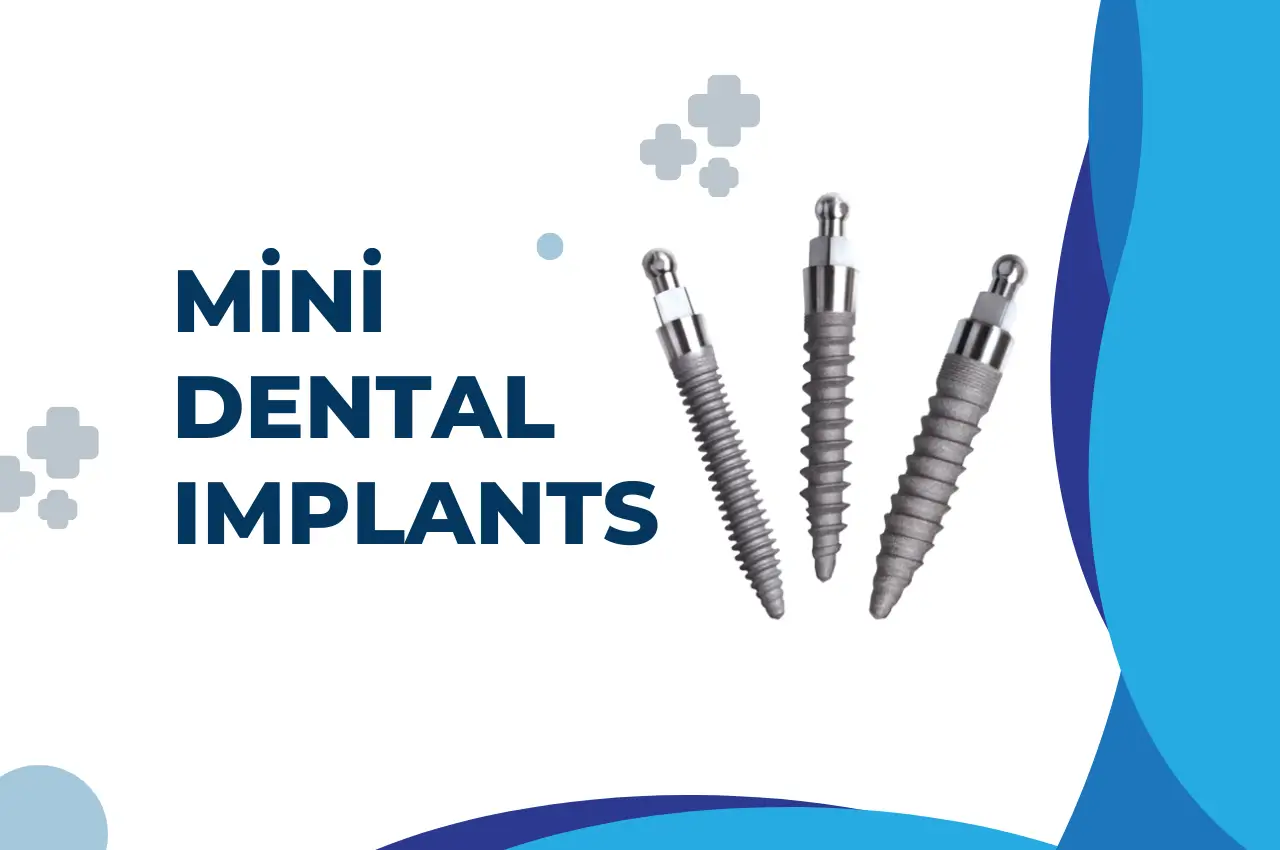
Mini dental implants consist of a one-piece titanium screw with a ball-shaped head at the top. Their diameter remains quite small, often measuring less than 3 millimeters. In contrast, traditional versions consist of two separate parts and measure up to 5 or 6 millimeters in width. The design of these smaller units allows them to fit into tight spaces where bone loss has occurred.
The bottom portion of the screw acts as a root, anchoring itself directly into the jawbone. The ball-shaped top protrudes above the gum line to provide a connection point for the replacement tooth or denture. A rubber O-ring fits over this ball, snapping the prosthetic securely into place. This architecture eliminates the need for an abutment, which is a common component in larger systems.

Who Is a Good Candidate for Mini Dental Implants?
The primary candidates for this treatment are people with significant bone resorption. When teeth are missing for years, the jawbone starts to shrink. Standard implants might fail or require extensive grafting in these cases. These mini versions work well for individuals who want to stabilize a loose lower denture without undergoing aggressive bone augmentation.
Patients with narrow gaps between existing teeth find these slim screws ideal. People who cannot tolerate long surgeries due to medical conditions find the shorter procedure time beneficial. Seniors frequently choose this path because it offers a less traumatic recovery. Every candidate must maintain healthy gums and a commitment to daily oral hygiene to ensure the longevity of the hardware.

Procedure: What to Expect During Treatment?
The surgical process for mini dental implants remains remarkably straightforward. A dentist uses local anesthesia to numb the specific area of the jaw. Unlike traditional methods, this technique involves no large incisions or deep stitches. The professional creates a tiny pilot hole in the bone and gently threads the titanium screw into position.
Most patients experience very little discomfort during the installation. The entire session for four or five implants might conclude within an hour. Once the screws are in place, the dentist adjusts the patient’s existing denture to fit the new ball-shaped attachments. This allows the patient to use their teeth immediately. Fast integration allows for a return to normal eating habits much sooner than other dental surgeries allow.
Benefits of Choosing Mini Dental Implants
The most significant advantage is the avoidance of complex bone grafting. This saves the patient months of waiting and reduces the total number of surgeries. Healing occurs rapidly because the procedure is minimally invasive. Most people return to their routine within twenty-four to forty-eight hours.
Another benefit involves the immediate enhancement of speech and chewing. Loose dentures cause irritation and embarrassment, which these implants eliminate. The stability provided by the snap-on mechanism ensures that teeth stay in place while talking or laughing. Maintenance remains simple, as the patient can remove the denture for cleaning while the implants stay fixed in the jaw.
Potential Disadvantages of Mini Dental Implants
A notable drawback is that these smaller screws are not suitable for every part of the mouth. They lack the surface area to withstand the heavy grinding forces of the back molars. Placing them in areas with extreme pressure might lead to failure or breakage.
The long-term success rate depends heavily on bone quality. If the bone is too soft, the mini screw might not find a solid grip. Two of these small units might be necessary to provide the same strength as one large traditional implant. Dentists must carefully evaluate the bite force of each patient to prevent overloading the slim titanium rods.
Cost of Mini Dental Implants
The financial aspect of dental care is a priority for many. Choosing smaller implants lowers the total bill because the hardware is less expensive and the surgery is faster. In Turkey, dental clinics offer these treatments at highly competitive rates compared to Western Europe or North America.
| Treatment Type | Average Price in Turkey (USD) |
| Single Mini Dental Implant | $250 – $480 |
| Lower Arch Stabilization (4 Implants) | $1,100 – $1,850 |
| Full Mouth Stabilization (Upper & Lower) | $2,200 – $3,600 |
Turkish clinics frequently provide package deals that include transportation and hotel stays. These prices cover the high-quality titanium materials and the expertise of specialized surgeons. Patients find that the cost in Turkey allows them to afford premium prosthetic materials that might be too expensive in their home countries.
Are Mini Dental Implants More Affordable?
Miniature implants cost significantly less than their full-sized counterparts. The reduced price stems from the simpler manufacturing of the one-piece screw. Doctors spend less time in the operating room, which lowers the service fees.
The absence of bone grafting further reduces the total expense. A patient avoiding a graft saves thousands of dollars in surgical fees and material costs. This makes the treatment a viable option for those on a fixed budget or individuals without comprehensive dental insurance.
Full Mouth Mini Dental Implants for Denture Stability
Full mouth restoration often utilizes a series of mini implants to hold a complete set of teeth. For the lower jaw, four implants are a standard requirement to keep a denture from sliding. The upper jaw might require six or more because the bone density there is lower.
This setup transforms a “floating” denture into a “snap-on” system. The stability provided by this method prevents bone loss by stimulating the jaw through chewing. It restores the natural shape of the face by supporting the lips and cheeks. Patients regain the ability to eat tough foods like apples or steak with ease.
How Long Do Mini Dental Implants Last?
The lifespan of these devices varies based on the patient’s lifestyle. Many people enjoy their implants for over a decade. Proper brushing and regular dental checkups extend the life of the titanium screws. Smoking or poor gum health can shorten this duration by causing infection or bone loss around the site.
While they are durable, they might not last as long as traditional implants. The smaller size means they have less contact with the bone. Frequent evaluations by a dentist ensure that the O-rings and the implants remain in top condition. Replacing the rubber gaskets every year or two helps maintain the tightness of the fit.
Bone Grafting vs. Mini Dental Implants
Bone grafting is a process where a surgeon adds bone material to a thin jaw. This requires a healing period of four to nine months before an implant can be placed. Mini dental implants bypass this entire timeline. They utilize whatever bone is currently available.
Choosing the mini version means the patient avoids the risks associated with donor bone or synthetic materials. It is a faster route to stability. If a patient has severe osteoporosis, the mini implant provides a solution where traditional surgery would be impossible.

Comparing Longevity: Traditional vs. Mini Implants
Traditional implants are known for lasting a lifetime. They fuse deeply with the bone over several months. Mini versions offer a shorter, yet effective, service life. They are perfect for older patients who want a reliable solution without the intensity of a major operation.
The choice between the two often comes down to the intended use. Traditional implants are superior for replacing individual molars. Mini implants are the gold standard for stabilizing removable dentures. Both options offer a significant upgrade over traditional adhesives and loose prosthetics.


Witness the incredible transformations achieved with mini dental implants through our before and after gallery. These images showcase how a single, minimally invasive procedure can restore a complete, radiant smile and significantly boost self-confidence.
