


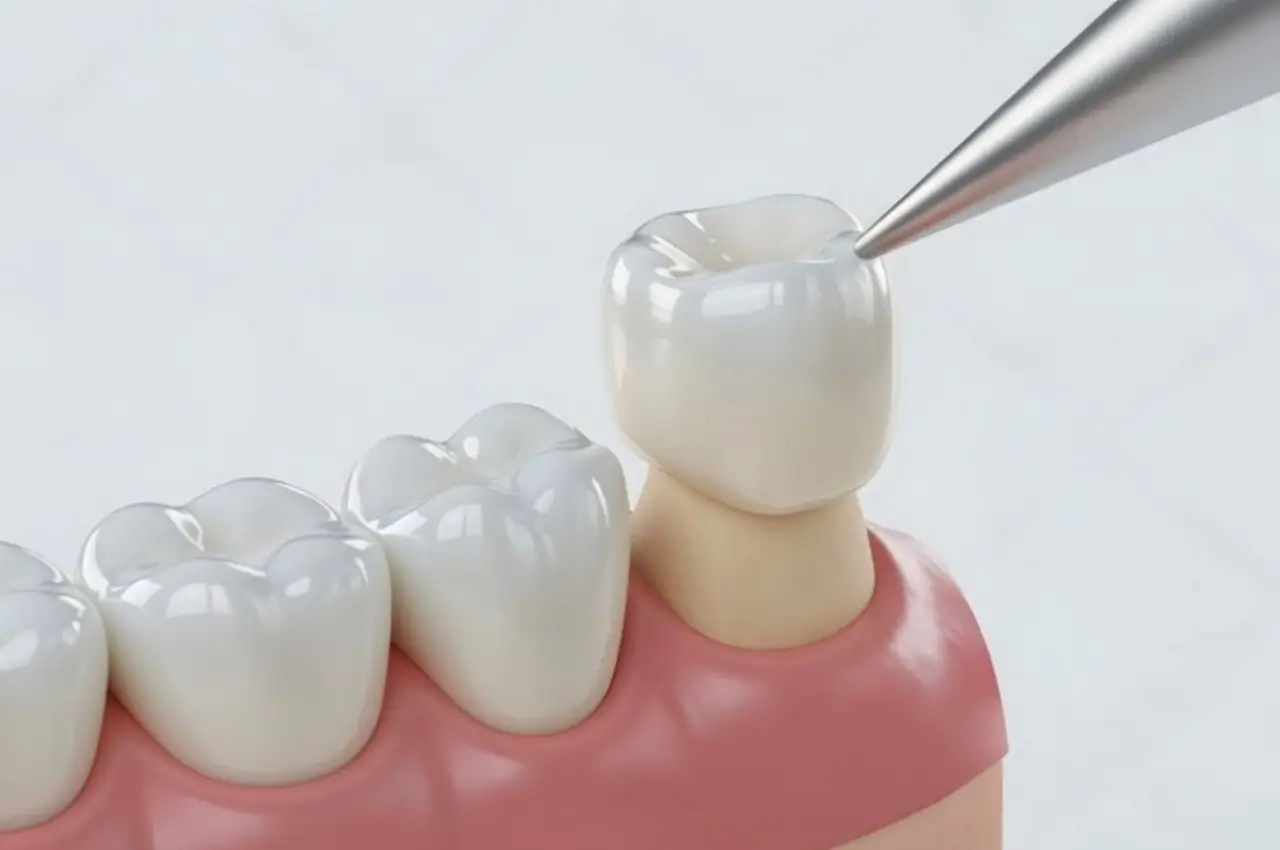
Modern restorative dentistry focuses on a delicate balance between biological compatibility and aesthetic perfection. For decades, patients faced a difficult choice between the strength of metal-based restorations and the visual appeal of fragile ceramics. The emergence of zirconium dioxide has effectively bridged this gap, offering a polycrystalline ceramic material that mimics the light-refracting properties of natural enamel while providing the structural integrity required for posterior chewing forces. This material represents a pinnacle in dental engineering, allowing clinicians to reconstruct smiles with a level of precision and longevity that was previously unattainable.
Choosing the right dental restoration involves understanding the unique properties of the materials available. Zirconium crowns have gained immense popularity due to their “bio-inert” nature, meaning they do not trigger allergic reactions or gum discoloration. As dental tourism expands globally, patients are increasingly seeking detailed insights into the procedural timelines, durability, and comparative advantages of these crowns. This guide provides an exhaustive look into the world of zirconium restorations, helping you make an informed decision about your oral health and aesthetic goals.
What Are Zirconium Crowns and How Do They Work?
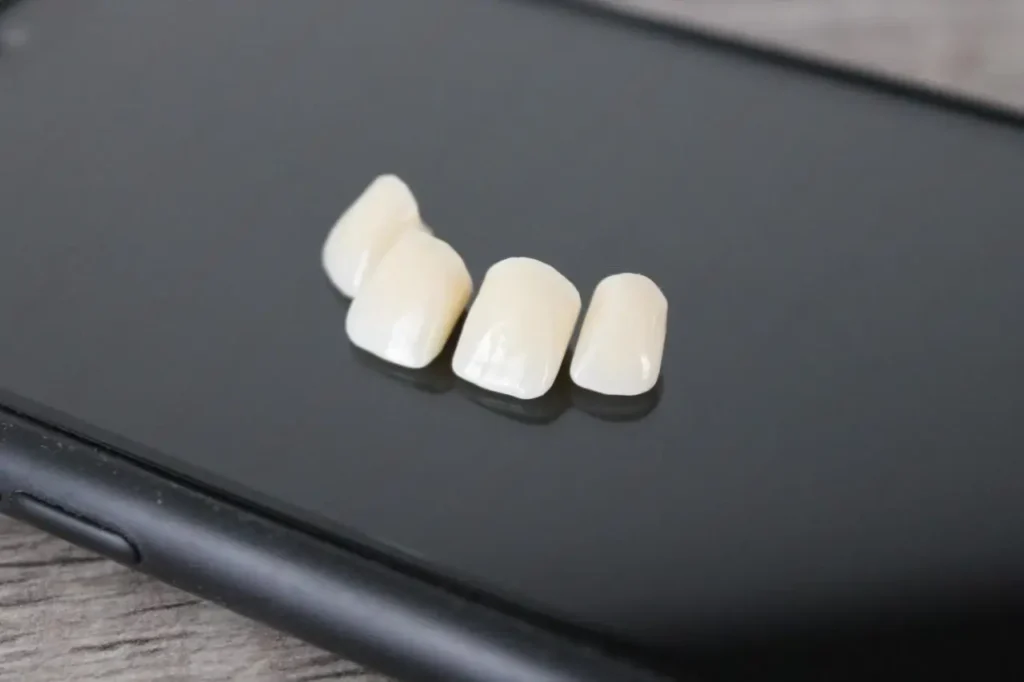
Zirconium crowns are high-performance dental prosthetics crafted from zirconium dioxide (ZrO2), a white crystalline oxide of the metal zirconium. In the dental laboratory, this material is processed into a stabilized form, frequently using yttria to create what is known as Yttria-Stabilized Tetragonal Zirconia Polycrystal (Y-TZP). This specific molecular structure provides the crown with its legendary resistance to cracking and chipping. Unlike traditional porcelain-fused-to-metal (PFM) options, zirconium contains no dark metal core, which allows light to pass through the restoration in a way that mimics natural tooth translucency.
The implementation process relies heavily on advanced digital technology. Dentists utilize CAD/CAM (Computer-Aided Design and Computer-Aided Manufacturing) systems to ensure a perfect fit. After the natural tooth is prepared, a digital scan is taken, creating a 3D model of the patient’s mouth. This data is sent to a milling machine that carves the crown out of a solid block of zirconia.
Key Technical Components of Zirconium Crowns:
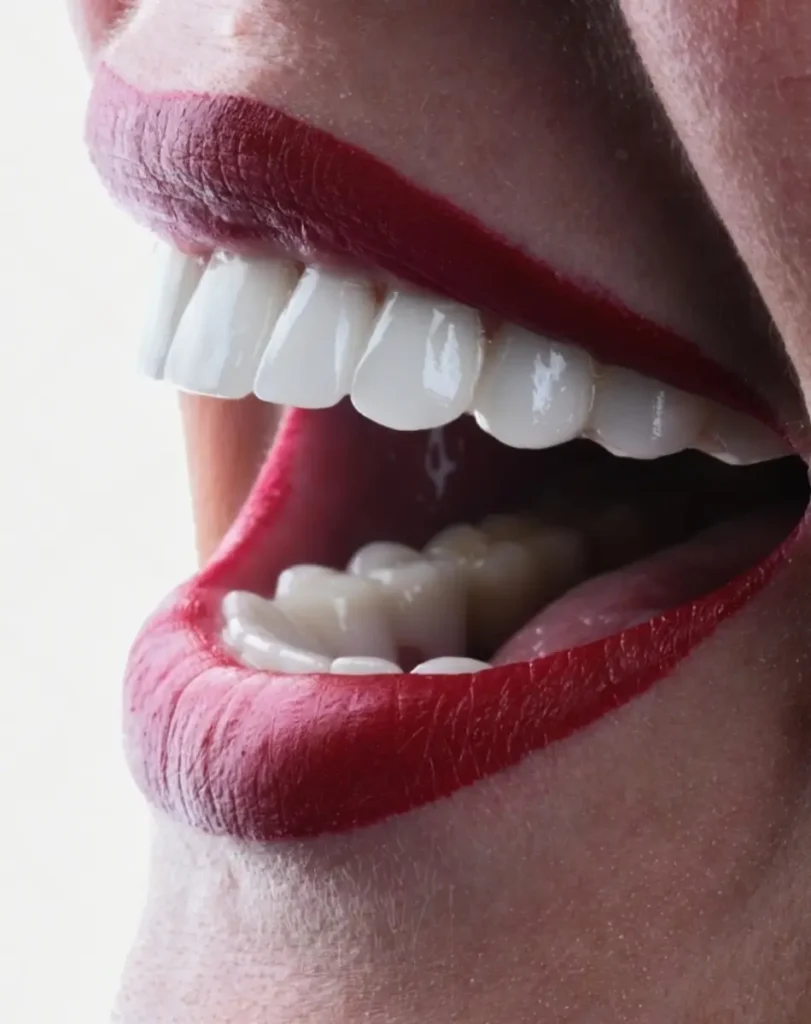
- Monolithic Zirconia: Carved from a single block, providing maximum strength for molars.
- Layered Zirconia: Features a zirconia core with a porcelain finish for superior aesthetics on front teeth.
- Biocompatibility: The smooth surface prevents plaque accumulation and minimizes gum irritation.
| Feature | Monolithic Zirconia | Layered Zirconia |
| Primary Use | Molars / Heavy Chewing | Front Teeth / High Visibility |
| Strength | Extremely High | High |
| Translucency | Moderate | Excellent |
| Wear Resistance | Superior | Good |
Benefits of Zirconium Crowns for Dental Restoration
The primary advantage of zirconium crowns lies in their remarkable aesthetic integration. Because the material is naturally white, it eliminates the “gray line” often seen at the gumline with metal-based crowns. This makes it the preferred choice for patients who desire a seamless transition between their natural teeth and their restorations. Beyond looks, the material is incredibly kind to the surrounding soft tissues. Zirconium does not conduct heat or cold as intensely as metal, significantly reducing post-operative sensitivity for the patient.
Another significant benefit is the conservative nature of the preparation. Due to the inherent strength of the material, dentists can create thinner crowns that still withstand high pressure. This means less of the natural tooth structure needs to be removed during the shaping process compared to traditional porcelain or PFM crowns. Preserving natural tooth mass is essential for the long-term health and stability of the underlying root.
Primary Advantages at a Glance:
- Hypoallergenic Properties: Ideal for patients with metal sensitivities or allergies.
- Color Matching: Available in a wide range of shades to match any natural tooth gradient.
- Stain Resistance: The non-porous surface resists discoloration from coffee, tea, or tobacco.
- Gingival Health: Promotes healthier gum tissue response compared to base metal alloys.
How Durable Are Zirconium Crowns?
When discussing durability, zirconium is frequently compared to “ceramic steel.” Its fracture toughness is significantly higher than that of alumina or traditional glass-ceramics. In the oral environment, crowns must endure constant moisture, temperature fluctuations, and biting forces that can exceed 700 Newtons in the molar region. Zirconium handles these stresses with ease due to a phenomenon known as “transformation toughening.” If a microscopic crack begins to form, the molecules in that area expand to compress the crack and prevent it from spreading.
This structural integrity makes zirconium the gold standard for patients who suffer from bruxism (teeth grinding). While traditional ceramics might shatter under the pressure of nocturnal grinding, monolithic zirconia remains intact. It is important to note that while the material is tough, it is not abrasive to the opposing natural teeth when polished correctly, maintaining a healthy balance in the patient’s bite.
Factors Contributing to Zirconium Durability:
- Flexural Strength: Zirconia boasts a flexural strength exceeding 1000 MPa.
- Chemical Stability: It does not corrode or degrade in the acidic environment of the mouth.
- Precision Milling: CAD/CAM production ensures a margin fit within microns, preventing decay under the crown.
How Long Does the Treatment Take? Timelines for International Patients
For those traveling abroad for dental care, efficiency is as vital as quality. The timeline for receiving zirconium crowns has been drastically shortened by the integration of in-house laboratories and digital workflows. In a modern clinical setting, the entire process can be completed within a single week, involving approximately two to three appointments. This rapid turnaround is a major draw for international patients who wish to combine their dental rehabilitation with a short vacation.
The first visit involves the clinical examination, tooth preparation, and digital impressions. If the clinic utilizes “Same Day” technology, the crown can be milled and fitted within hours. However, for a full-mouth restoration or high-aesthetic front teeth, a 5-day window allows the dental technicians to hand-finish and glaze the restorations for a perfect look.
Typical International Patient Schedule:
- Day 1: Consultation, X-rays, tooth preparation, and digital scanning.
- Day 2-3: Laboratory fabrication phase (milling and sintering).
- Day 4: Fitting, bite adjustment, and permanent cementation.
- Day 5: Final check-up and departure.
| Step | Duration | Purpose |
| Preparation | 1-2 Hours | Shaping the tooth and scanning. |
| Fabrication | 24-48 Hours | Milling the zirconia block. |
| Placement | 1 Hour | Bonding the crown to the tooth. |
How Long Do Zirconium Crowns Last?
While no dental restoration is considered permanent, zirconium crowns are designed for extreme longevity. On average, these crowns serve patients for 15 to 25 years, though many stay functional for a lifetime with meticulous oral hygiene. The lifespan depends heavily on the quality of the initial fit and the patient’s commitment to preventative care. Because the material does not decay, the primary threat to the crown’s longevity is the health of the underlying tooth and gums.
Regular dental check-ups are mandatory to ensure the marginal seal remains intact. If the gum tissue recedes due to periodontal disease, the root of the tooth may become exposed, though the crown itself will remain unchanged. Using a non-abrasive toothpaste and flossing daily are the best ways to protect the investment.
Lifespan Optimization Strategies:
- Avoid Non-Food Objects: Refrain from biting nails, ice, or opening packaging with your teeth.
- Night Guards: If you grind your teeth, a custom night guard protects both the crown and the opposing dentition.
- Professional Cleaning: Bi-annual scaling removes tartar that can lead to gum recession around the crown.
Zirconium vs. Porcelain: Which is Right for You?
The debate between zirconium and traditional porcelain focuses on the trade-off between absolute strength and maximum translucency. All-porcelain (lithium disilicate) crowns offer the highest level of light mimicry, making them excellent for the very front “smile zone.” However, they lack the structural powerhouse found in zirconium. Zirconium serves as the superior choice for bridges or posterior teeth where the force of chewing is most concentrated.
For most modern cases, “Translucent Zirconia” or “Layered Zirconia” provides a middle ground. These options use a zirconium base for strength but are topped with a fine layer of porcelain to capture the delicate nuances of natural teeth. This hybrid approach ensures the restoration looks lifelike while remaining virtually indestructible.
Comparison Table: Zirconium vs. Traditional Porcelain
| Feature | Zirconium Crowns | Traditional Porcelain |
| Material Strength | Exceptionally High | Moderate |
| Risk of Chipping | Very Low | Higher |
| Natural Look | High | Superior |
| Thickness Required | Minimal | Significant |
| Metal Content | Zero | Zero |
Zirconium Crowns Before and After Photos Gallery


How to Choose the Right Dental Clinic for Zirconium Crowns
Selecting the right provider is the most critical step in ensuring a successful outcome. A reputable clinic should prioritize digital dentistry, employing modern scanners and milling machines to guarantee precision. Patients should look for transparent portfolios of “before and after” cases and check for international certifications. Communication is key; the clinical staff must be able to explain the material choices and the specific reasons behind the proposed treatment plan.Many patients find the ideal balance of expertise and value by visiting a dental clinic in Istanbul. Turkey has established itself as a global hub for restorative dentistry, blending high-tech infrastructure with experienced prosthodontists. In these centers, the use of world-class zirconia brands is standard, and the high volume of international cases ensures that the staff is well-versed in rapid, high-quality turnarounds. Choosing a clinic in this region often allows patients to access premium materials at a fraction of the cost found in Western Europe or North America.
Checklist for Choosing a Clinic:
Warranty: Does the clinic offer a guarantee on the material and craftsmanship?
Technology: Do they use CAD/CAM and digital intraoral scanners?
Specialization: Is the dentist a certified prosthodontist or aesthetic specialist?
Reviews: Look for verified feedback from international patients.
How Much Do Zirconium Crowns Cost in Turkey?
In Turkey, the cost of a single zirconium crown typically ranges from £150 to £250, representing a saving of nearly 70% compared to prices in the United Kingdom or North America. These competitive rates are the result of lower operational overheads and a favorable exchange rate, rather than a reduction in material quality. Most top-tier clinics utilize premium German or Swiss zirconia blocks, ensuring that the final restoration meets global medical standards.
Expert dental surgeons at Point Clinic, located in the heart of Istanbul, Turkey, specialize in these comprehensive procedures. We perform zirconium applications with high precision, utilizing advanced CAD/CAM technology to deliver professional results for our patients. By choosing our dedicated facility, you receive world-class aesthetic care alongside VIP transfer and luxury accommodation services, as we make the entire journey both affordable and seamless.
