


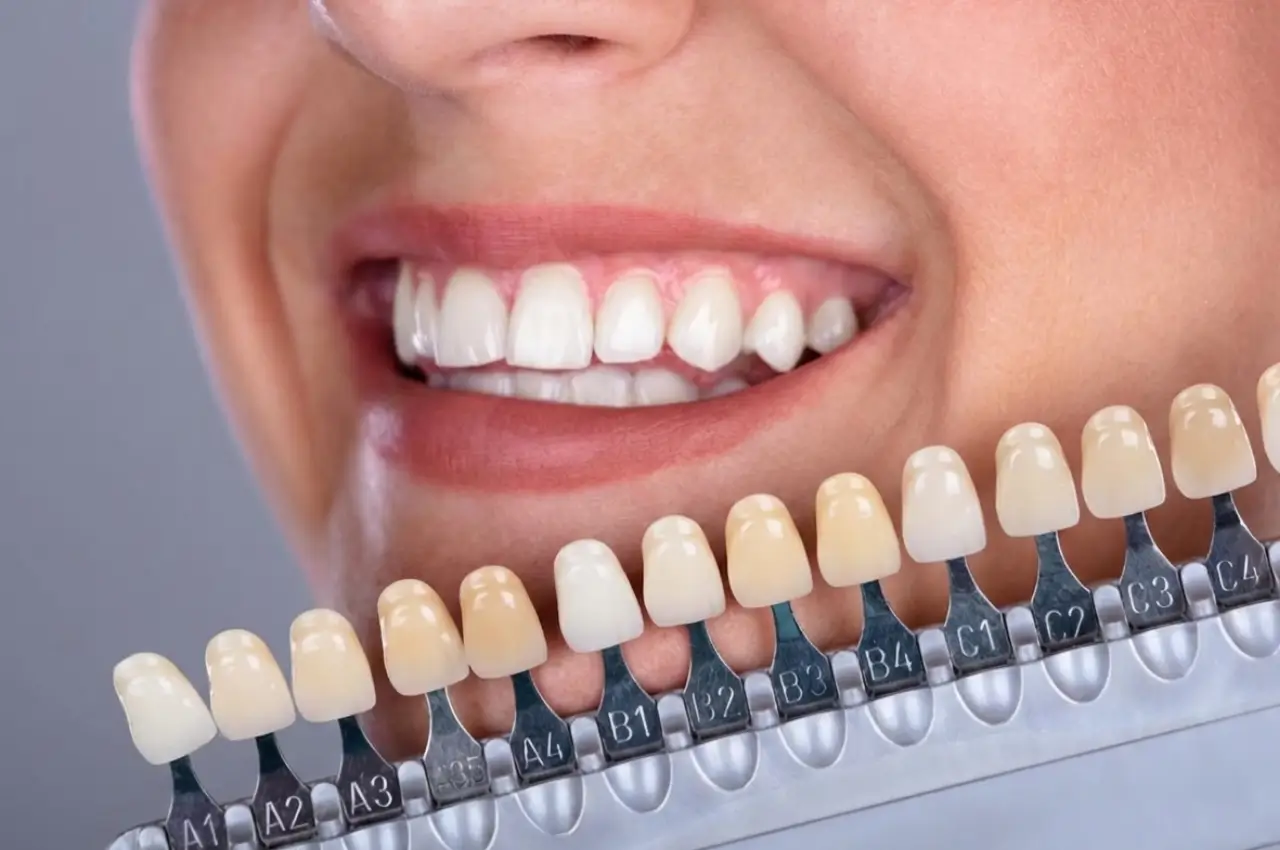
A radiant, confident smile is widely considered one of a person’s most influential features, yet few are born with naturally perfect teeth. Whether dealing with persistent discolouration, minor misalignments, or unsightly gaps, many individuals find themselves searching for a permanent solution that looks both beautiful and natural. Dental veneers have emerged as the gold standard in cosmetic dentistry, offering a transformative approach that goes far beyond simple whitening treatments. By bonding ultra-thin, custom-crafted shells to the front surface of the teeth, veneers provide a comprehensive “smile makeover” that can correct a wide range of aesthetic imperfections in just a few appointments.
Modern advancements in dental technology have made the process more accessible and durable than ever before. Choosing to invest in veneers is not just about physical appearance; it is about reclaiming self-confidence and ensuring long-term oral harmony. From the initial consultation to the final reveal, the journey toward a flawless smile involves a blend of artistry and medical precision. In this guide, we will explore everything you need to know about dental veneers, helping you understand the materials, the procedure, and the maintenance required to keep your new smile shining for years to come.
What are Dental Veneers?
Dental veneers are wafer-thin, custom-made shells designed to cover the front surface of teeth to improve their appearance. Think of them as high-tech “facades” for your smile. Crafted from medical-grade ceramic or composite resin, these shells are permanently bonded to the teeth, altering their colour, shape, size, or length. Because they are tailored to the unique anatomy of the patient’s mouth, they provide a remarkably natural look that mimics the light-reflecting properties of real tooth enamel.
While associated with Hollywood transformations, veneers are a versatile solution for a variety of dental concerns. They act as a protective layer and an aesthetic enhancement simultaneously. Because they require minimal alteration to the original tooth structure compared to crowns, they are considered a conservative yet highly effective treatment. Whether you are looking to mask a single chipped tooth or undergo a full-arch rejuvenation, veneers provide a durable and stain-resistant finish.
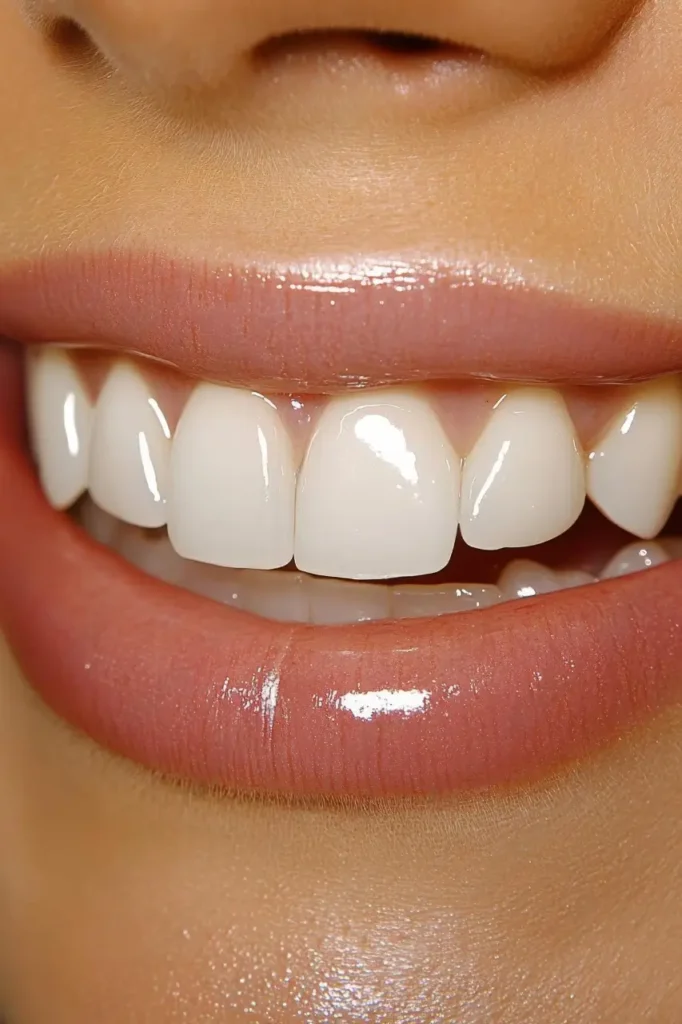
The choice of material often depends on the patient’s goals, budget, and the dentist’s recommendation. Below is a quick comparison of the two primary types of veneers:
| Feature | Porcelain Veneers | Composite Veneers |
| Material | High-quality ceramic | Tooth-coloured resin |
| Durability | 10–15+ years | 5–7 years |
| Stain Resistance | Highly resistant | Susceptible over time |
| Appearance | Translucent and natural | Natural, but less depth |
| Repairability | Must be replaced if broken | Can be easily repaired |
How Do Dental Veneers Work?
The fundamental mechanism of dental veneers lies in the seamless integration of restorative materials with your natural tooth structure. Essentially, a veneer works by replacing the outermost layer of the tooth—the enamel—with a custom-engineered shell. To ensure the veneer sits flush and does not appear bulky, a specialist carefully removes a microscopic layer of enamel, usually measuring between 0.3 mm and 0.5 mm. This creates a “seat” for the veneer, allowing it to align perfectly with the surrounding teeth and the gum line.
Once the surface is prepared, the “working” part of the process involves a sophisticated bonding technique. A light-sensitive resin is applied between the tooth and the veneer, which acts as a powerful adhesive. When a specialised curing light is applied, it activates the chemicals in the resin, causing it to harden almost instantly. This creates a chemical and mechanical bond that is incredibly strong, allowing the veneer to function just like a natural tooth during biting and chewing.
The process is highly systematic to ensure both longevity and comfort. Here is the step-by-step breakdown of how the transformation works:
- Consultation & Mapping: The dentist analyses your facial symmetry and tooth proportions to design the ideal “smile blueprint”.
- Enamel Preparation: A thin layer of the tooth surface is trimmed to make room for the veneer material.
- Impression Taking: A digital or physical mould is created to ensure the laboratory crafts a shell that fits your tooth’s unique contours.
- Temporary Placement (Optional): In some cases, temporary veneers are worn while the permanent ones are being fabricated.
- Final Bonding: The custom veneer is etched, coated with adhesive, and permanently fused to the tooth using a high-intensity curing light.
What Are The Types Of Dental Veneers?
Selecting the right type of dental veneer is a critical decision that depends on your aesthetic goals, dental health, and budget. While all veneers serve the purpose of enhancing your smile, the materials used can vary significantly in terms of preparation, appearance, and longevity. Traditionally, the industry has been dominated by porcelain and composite options, but recent innovations have introduced “minimal-prep” alternatives that appeal to patients seeking a less invasive experience.
Porcelain veneers remain the “gold standard” for those seeking a dramatic and long-lasting change. These are hand-crafted in a dental laboratory to match the specific translucency of your natural teeth. On the other hand, composite veneers offer a faster, more economical route, completed in a single visit. Understanding these nuances is essential for making an informed choice that aligns with your lifestyle.
The following list outlines the most common types of veneers available in modern cosmetic dentistry:
- Porcelain Veneers: The most durable option, known for their incredible ability to mimic the light-reflecting qualities of natural enamel and their high resistance to staining.
- Composite Resin Veneers: These are sculpted directly onto the teeth by the dentist. While they are more affordable and require less enamel removal, they are slightly more prone to chipping and staining over time.
- Lumineers & No-Prep Veneers: These are ultra-thin shells (about the thickness of a contact lens) that can be applied without the need for extensive shaving of the natural tooth structure.
- Zirconia Veneers: Recommended for patients with stronger bites or those who tend to grind their teeth, as zirconia offers superior structural strength compared to traditional porcelain.
Note: Each type has a different “prep” requirement. Always consult with your dentist to determine which material is compatible with your specific bite and tooth alignment.
Who is a Good Candidate for Veneers?
Determining candidacy for dental veneers involves more than just a desire for a brighter smile; it requires a foundation of good oral health and specific aesthetic goals. Ideally, a candidate is someone with minor cosmetic imperfections who still possesses healthy tooth enamel and stable gum tissue. Because the process is irreversible, dentists look for individuals who are committed to maintaining their oral hygiene and who understand that veneers are a long-term investment in their appearance.
A good candidate seeks to correct issues that do not require extensive orthodontic work. While veneers can mask “crowding” or “gaps”, they are not a substitute for braces or clear aligners in cases of severe misalignment. Furthermore, the patient must have sufficient enamel for the bonding process to be successful. If the underlying tooth is significantly decayed or weakened, a full dental crown might be a more appropriate recommendation to ensure structural integrity.
How Long Do Dental Veneers Last?
The longevity of dental veneers is one of their most appealing features, but it is important to understand that they are not considered a “permanent” solution in the sense that they will last a lifetime. On average, high-quality porcelain veneers last between 10 to 15 years, though with meticulous care and regular dental check-ups, some patients find theirs remaining intact for upwards of 20 years. Composite resin veneers, while more affordable, have a shorter lifespan, typically ranging from 5 to 7 years before they require replacement or significant refurbishment.
The “expiry date” of a veneer is rarely about the material itself failing; rather, it is due to changes in the surrounding environment. Over a decade, your natural gum line may recede slightly, or the underlying tooth structure could develop issues that necessitate the removal of the veneer. Because a small amount of enamel was removed during the initial application, the tooth will always require some form of coverage. Therefore, while the shells themselves eventually need replacing, the commitment to wearing them is lifelong.
Porcelain vs. Composite Veneers: Which is Better?
When deciding between porcelain and composite veneers, the “better” choice depends entirely on your specific goals, budget, and how quickly you want to see results. Porcelain veneers are viewed as the premium option due to their unmatched aesthetic depth. Because porcelain is a translucent ceramic, it interacts with light in the same way natural tooth enamel does, providing a vibrant yet realistic appearance. Furthermore, porcelain is incredibly dense and non-porous, making it virtually immune to stains from coffee, tea, or tobacco.
Composite veneers, crafted from a tooth-coloured resin, offer a more flexible and immediate solution. They are applied in a single visit using a “direct” method, where the dentist sculpts the material directly onto your teeth. While they may not have the same long-term lustre as porcelain, they are far more conservative, requiring little to no removal of the natural tooth enamel. This makes the process reversible in some cases, which is a significant advantage for younger patients or those hesitant about permanent alterations.
Comparison Factor Porcelain Veneers Composite Veneers Aesthetics Superior; mimics natural enamel Good; looks natural but less translucent Stain Resistance Highly resistant to all stains Prone to staining over time Duration of Procedure 2–3 appointments (Lab work) 1 appointment (Chairside) Reversibility Permanent (Enamel removed) Reversible (Minimal prep) Cost Higher initial investment Budget-friendly Durability High; rarely chips Moderate; can chip but is easily fixed Veneers vs. Lumineers: Key Differences
When exploring smile enhancement options, many patients find themselves choosing between traditional porcelain veneers and Lumineers. While both serve the same ultimate purpose—masking imperfections and creating a uniform look—the primary difference lies in their thickness and the preparation required. Traditional veneers are about 0.5 mm thick, necessitating the removal of a small amount of tooth enamel to ensure they do not look bulky. Lumineers, however, are described as “contact lens-thin” (approx. 0.2 mm), which allows them to be applied directly over the teeth with little to no preparation.
This difference in thickness significantly impacts the “reversibility” of the procedure. Because traditional veneers require the reshaping of the natural tooth, the process is permanent; those teeth will always need to be covered by a veneer or a crown. Lumineers are marketed as a “no-prep” solution, meaning that in certain clinical scenarios, they could theoretically be removed to reveal the intact original teeth. However, because Lumineers are so thin, they are less effective at hiding dark stains or severe discolouration compared to the more opaque traditional porcelain.
Dental Veneers Before and After Results


How much do dental veneers cost in Turkey?
Turkey has become a global hub for medical tourism, particularly for those seeking high-quality cosmetic dentistry without the prohibitive price tags found in Western Europe. On average, the cost of dental veneers in Turkey is approximately 60% to 70% lower than in countries like Germany or France. This affordability is not a reflection of lower quality, but rather a result of lower operational costs, competitive laboratory fees, and a favourable exchange rate for international patients. When visiting a premier dental clinic in Istanbul, patients can expect world-class service using the same FDA-approved materials, such as Ivoclar Vivadent or Straumann, that are used in the most expensive clinics worldwide.
In 2026, the price for a single porcelain or E-Max veneer in Turkey ranges from €180 to €350, whereas the same procedure in Germany or France can easily exceed €800 to €1,100 per tooth. Many Turkish clinics also offer “Smile Makeover” packages, which bundle the cost of 16 to 20 veneers with luxury accommodation and VIP transfers. This transparent pricing model makes Istanbul a particularly attractive destination for patients from Poland, Romania, and Bulgaria, where while prices are lower than in the UK, they still exceed the competitive rates and all-inclusive convenience offered by Turkish specialists.
To give you a clearer picture of the global price landscape, here is a comparison of average costs for porcelain veneers per tooth:
| Country | Average Cost per Tooth (Porcelain) |
| Turkey (Istanbul) | €200 – €350 |
| Germany | €800 – €1,200 |
| France | €900 – €1,300 |
